What’s the Tip?
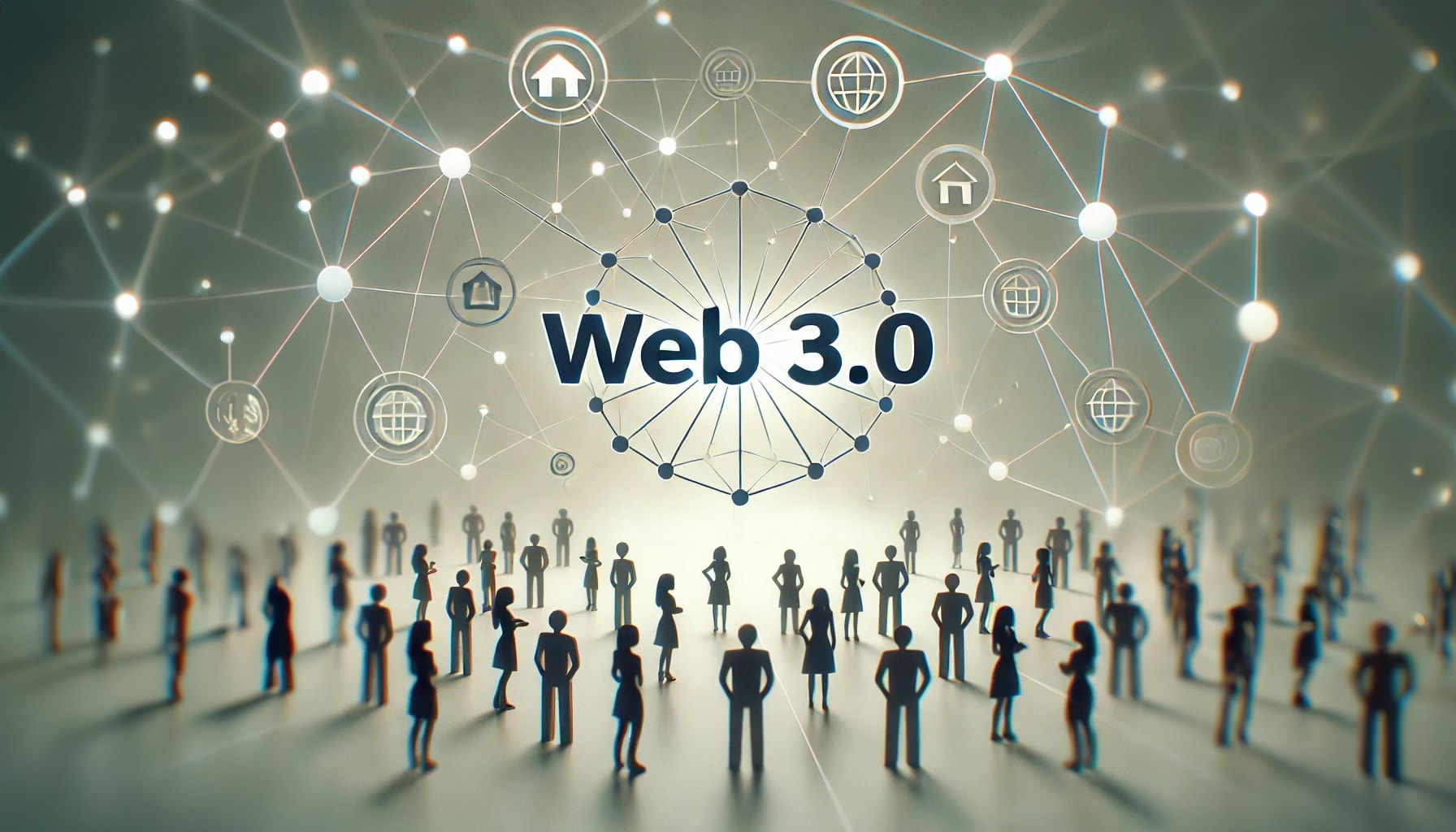
The internet has come a long way since its inception, evolving through various stages, each marked by significant changes in how we interact with the digital world. Web 3.0, the latest phase of this evolution, promises to revolutionize the way we use the internet by introducing decentralized technologies, smarter applications, and a more user-centric experience. In this post, we’ll explore what Web 3.0 is, how it differs from its predecessors, and why it’s poised to change the digital landscape.
The Evolution of the Web: From Web 1.0 to Web 3.0
To understand Web 3.0, it’s essential to look back at the history of the internet and how it has evolved over time.
Web 1.0: The Static Web (1990s to early 2000s)
Web 1.0 was the first phase of the internet, often referred to as the “static web.” During this period, websites were primarily static pages, meaning that content was fixed and rarely updated. Users could view information, but interactions were limited. There were no social media platforms, and the web was largely a one-way communication channel. Key features of Web 1.0 included:
- Read-Only Content: Users could only view content, with little to no interaction.
- HTML-Based: Web pages were mostly built with basic HTML, offering simple text and images.
- Centralized Servers: Websites were hosted on centralized servers, controlled by individual organizations or entities.
Web 2.0: The Social Web (Early 2000s to Present)
Web 2.0 marked a significant shift in how people used the internet. Often called the “social web,” this phase introduced dynamic, user-generated content and interactive applications. The rise of social media platforms, blogs, and wikis allowed users to create, share, and interact with content on a massive scale. Key features of Web 2.0 include:
- User-Generated Content: Platforms like Facebook, YouTube, and Twitter enabled users to create and share content, leading to the rise of social media influencers and online communities.
- Interactivity: Web 2.0 introduced dynamic content that could change based on user interactions, such as liking, commenting, or sharing.
- Centralized Platforms: While more interactive, Web 2.0 still relied on centralized servers and platforms owned by corporations, leading to concerns about data privacy and control.
Web 3.0: The Decentralized Web (Emerging Era)
Web 3.0 represents the next major evolution of the internet, often referred to as the “decentralized web.” This phase aims to address the limitations and challenges of Web 2.0 by leveraging decentralized technologies like blockchain, artificial intelligence (AI), and decentralized finance (DeFi). Key features of Web 3.0 include:
- Decentralization: Unlike Web 2.0, Web 3.0 is built on decentralized networks where data is distributed across multiple nodes, reducing reliance on centralized servers.
- Blockchain Technology: Blockchain plays a crucial role in Web 3.0, enabling secure, transparent, and tamper-proof transactions and interactions.
- Smart Contracts: Smart contracts are self-executing contracts with the terms of the agreement directly written into code. They automate processes and reduce the need for intermediaries.
- Artificial Intelligence and Machine Learning: AI and machine learning enable smarter, more personalized experiences by analyzing user behavior and making data-driven decisions.
- Ownership and Control: Web 3.0 gives users greater control over their data and digital assets, with the ability to own and trade digital tokens, NFTs, and other assets directly.
Key Differences Between Web 1.0, Web 2.0, and Web 3.0
• Interactivity:
- Web 1.0: Limited interactivity; mostly read-only.
- Web 2.0: High interactivity; users can create, share, and interact with content.
- Web 3.0: Enhanced interactivity with decentralized applications (dApps) and smart contracts.
• Content Ownership:
- Web 1.0: Content is owned and controlled by website owners.
- Web 2.0: Content is often owned by platform providers (e.g., social media companies).
- Web 3.0: Users have greater ownership and control over their data and digital assets.
• Data Management:
- Web 1.0: Centralized data storage on individual servers.
- Web 2.0: Centralized platforms with user-generated content stored on corporate servers.
- Web 3.0: Decentralized data management with blockchain technology ensuring security and transparency.
• Privacy and Security:
- Web 1.0: Basic security measures, limited privacy.
- Web 2.0: Improved security but concerns over data privacy and corporate control.
- Web 3.0: Enhanced privacy and security through decentralization and encryption.
Why Web 3.0 Matters
Web 3.0 is more than just a technological upgrade; it represents a shift in how we interact with the digital world. By decentralizing the internet, Web 3.0 aims to give users more control over their data, reduce the dominance of tech giants, and create a more transparent and secure online environment. This new era of the web has the potential to reshape industries, from finance and gaming to social media and beyond, by enabling new forms of digital ownership, governance, and collaboration.
Conclusion
Web 3.0 is still in its early stages, but its impact is already being felt across various sectors. As the internet continues to evolve, understanding the differences between Web 1.0, Web 2.0, and Web 3.0 is crucial for navigating the future of digital interactions. Whether you’re a developer, entrepreneur, or everyday internet user, staying informed about Web 3.0 will help you take advantage of the opportunities this new era offers.